
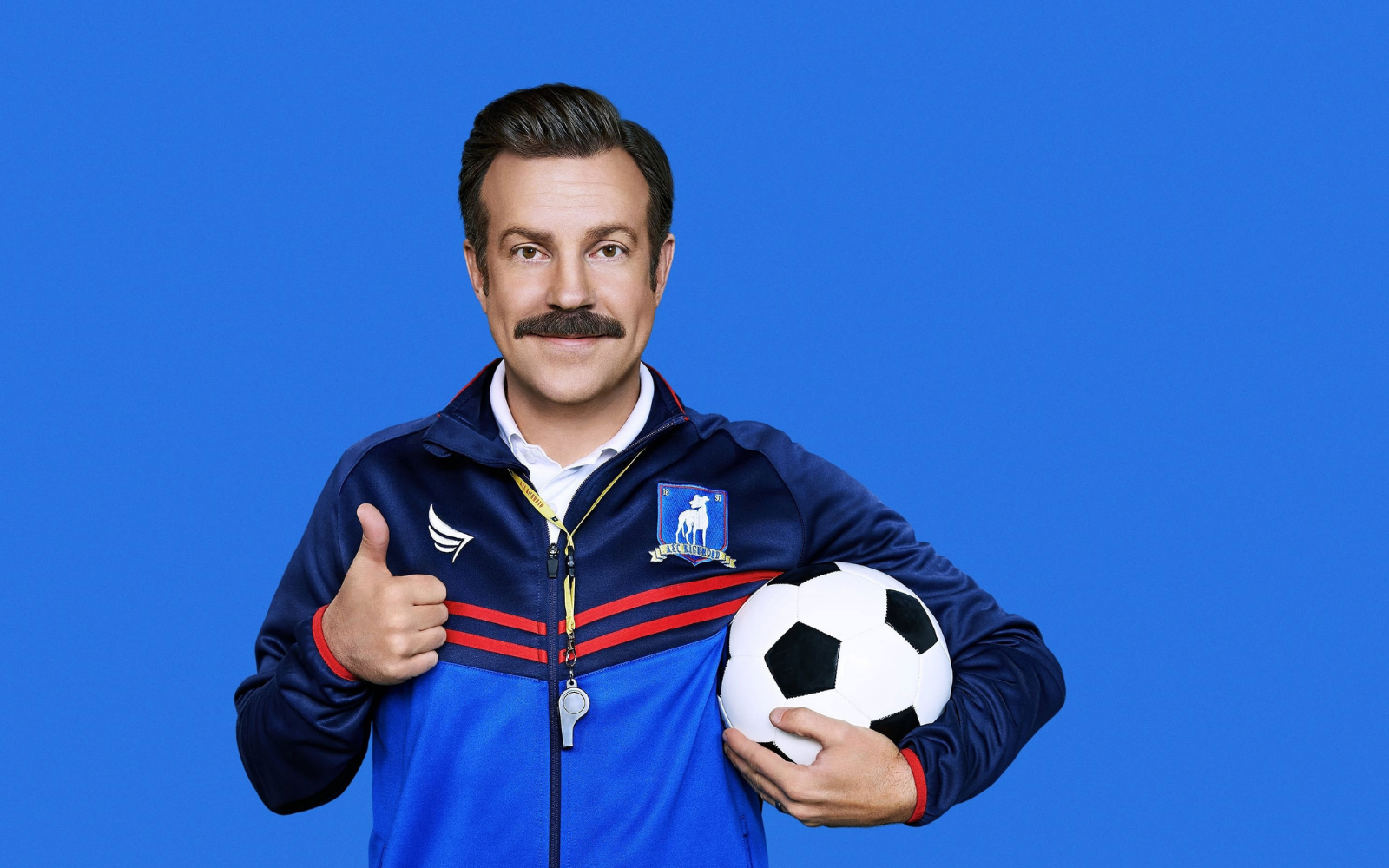
Ted Lasso is about leading with heart, building trust before performance, and showing that empathy and results aren’t opposites — they’re partners. Sound familiar?
If you work in Business Relationship Management (BRM), it should. Because in many ways, Ted Lasso is the ultimate BRM.
The Future of Business is Human- and It Starts with Relationships.
Business Relationship Management isn’t about soft skills on the sidelines — it’s about enabling real, measurable value across the enterprise. The BRM mindset is grounded in proven frameworks that elevate relationships into strategic partnerships.
BRMs work to:
- Shape demand by aligning business needs with capability roadmaps.
- Optimize value by ensuring initiatives deliver on intended outcomes, not just outputs.
- Facilitate strategy by translating vision into actionable, collaborative plans.
- Foster trust and transparency across functions, helping break down silos and accelerate progress.
This isn’t theory — it’s applied leadership. BRMs embed themselves in the business, working shoulder to shoulder with executives and delivery teams to co-create solutions that matter. It’s a discipline rooted in accountability, continuous improvement, and shared ownership of results.
While Ted Lasso may be fictional, the leadership philosophy he represents is very real — and increasingly essential in today’s complex, cross-functional environments.
Ted succeeds not because he has all the technical answers, but because he brings people together around a shared purpose. He builds trust before results. He listens deeply. He leads with humility, clarity, and courage — all qualities that define strong BRMs.
In fact, the BRM role embodies what Ted Lasso models so well:
- Empowering others to grow.
- Focusing on long-term value, not quick wins.
- Aligning a range talents under a common vision.
- Leading change through authentic relationships.
| Click here to access BRM Institute's original online post. |  |