
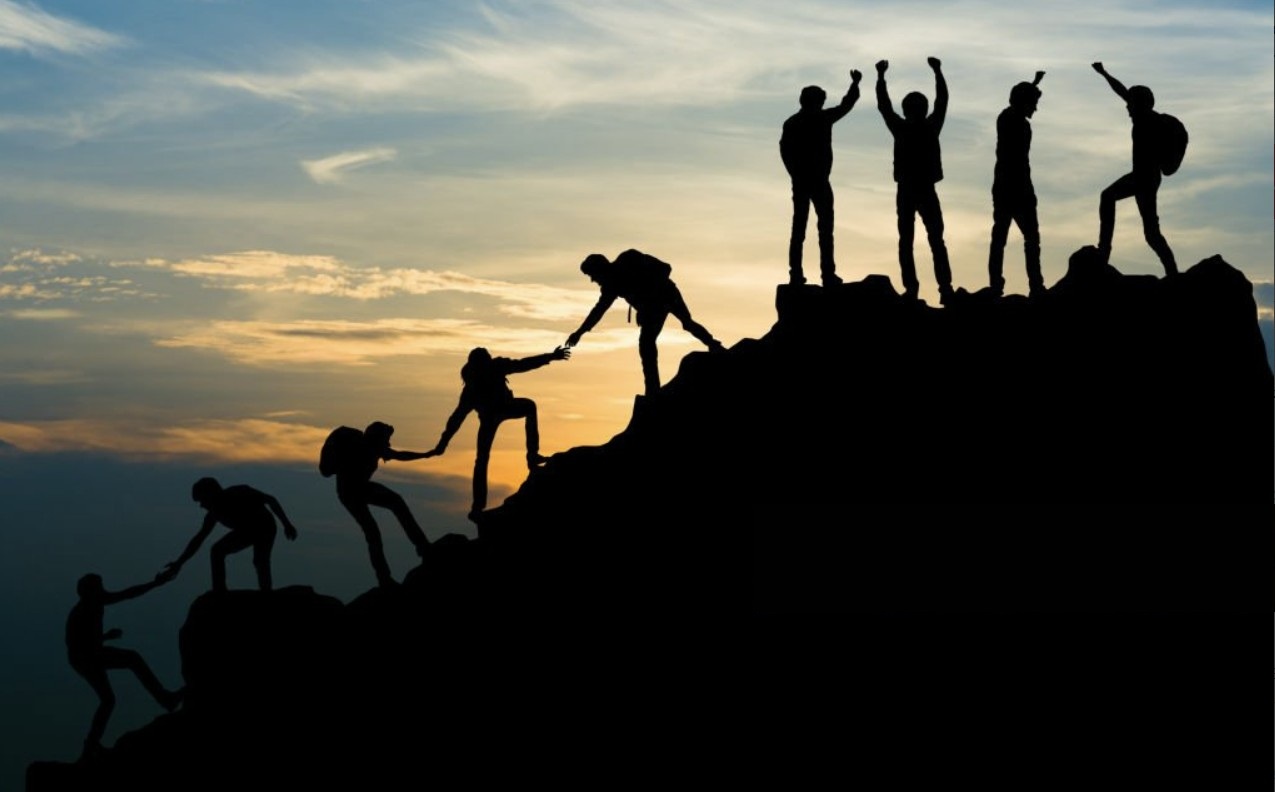

Teams in sports have a lot of parallels with teams in the business world. Like front-office executives and the coaches working directly with the players, leaders of any business organization need to assemble individuals that can work optimally as a single unit.
Securing the best available candidates is only the beginning. Just like the coaches on the field, court, and ice, business coaches need to get their resources to perform as a cohesive group, capable of achieving for the organization.
Okay, I’ll state the obvious … the winning formula can be complex, with lots of variables and no guarantees. But recognizing the key elements in the process will help get everyone on a path that can lead to success.
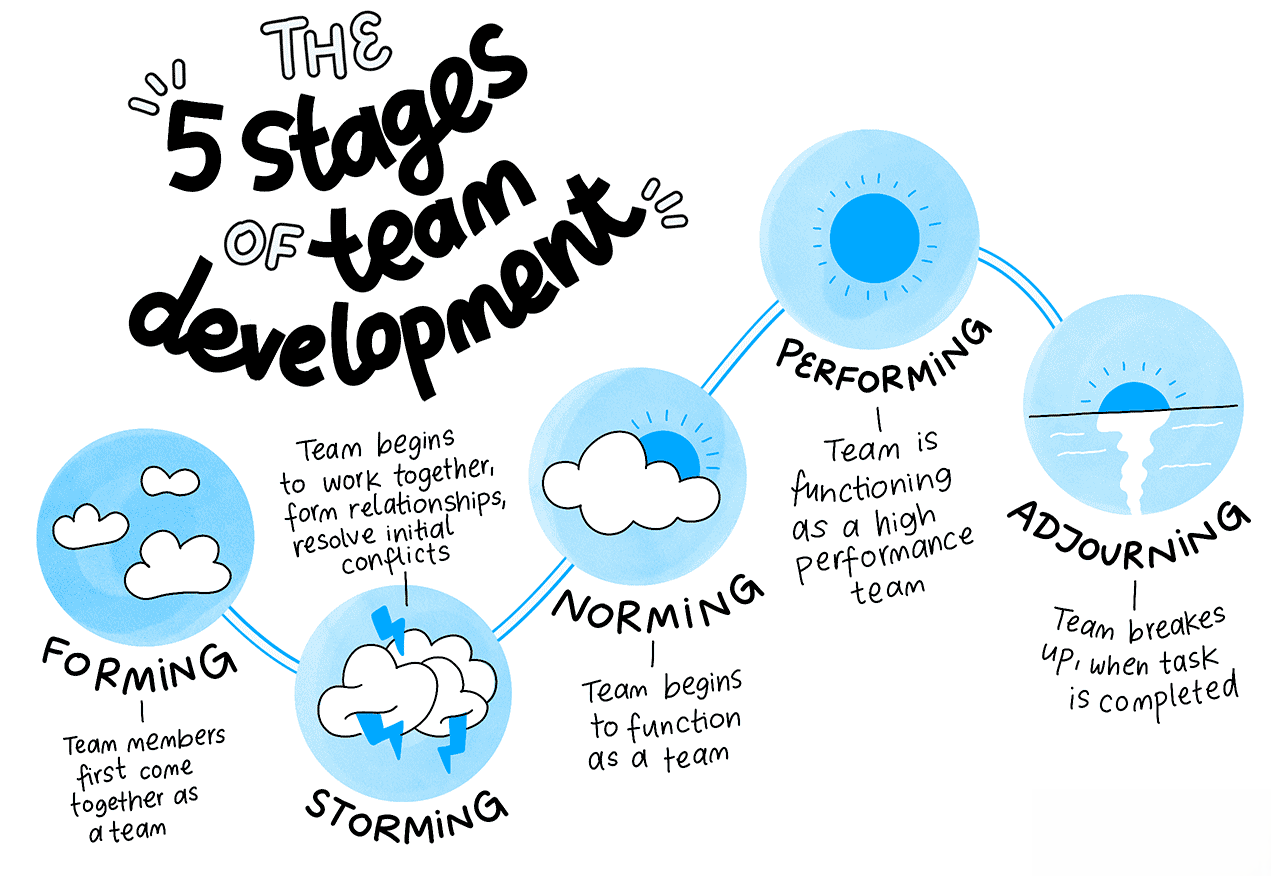
Dr. Bruce Tuckman was a psychologist and educational researcher well-known for his model for team and group development. He initially identified four stages of group development: forming, storming, norming, and performing. A few years later a fifth stage – adjourning – was added.
The features of each phase are described as follows:
Stage 1 – Forming
In this stage, there is a strong dependence on the leader for guidance and direction. There is little agreement on the team aims other than what is being provided directly from the leader. Individual roles and responsibilities are unclear. The leader must be prepared to answer lots of questions about the team's purpose, objectives and external relationships. Processes are often ignored, members test tolerance of system and the leader.
Stage 2 – Storming
Entering this stage, team members begin to challenge one another and vie for position as they attempt to establish themselves in relation to other team members and the leader. Clarity of purpose increases but plenty of uncertainties persist as members “storm” with one another. During this time cliques and factions form and there may be power struggles. The team needs to be focused on its goals to avoid becoming distracted by relationships and emotional issues. The leader needs to be familiar with the delicacy of this stage and willing to direct and lead the team through this stage.
Stage 3 – Norming
As the team progresses into this stage, agreement and consensus largely forms among the team largely under the facilitation of the leader. Roles and responsibilities are clear and accepted, decisions are made by group agreement. Smaller decisions may be delegated to individuals or small teams within the group. Commitment and unity is strong and there is general respect for the leader. The team is willing to engage and develops well in fun and social activities. The team discusses and develops its processes and working style.
Stage 4 – Performing
At this stage, the team has a shared vision and can work and perform on its own with little direction or participation from the leader. The team is strategically aware and has a has a clear understanding of what it is doing, why, and what is needed to achieve the team’s shared and individual goals. The team has a high degree of autonomy. Disagreements occur but now they are resolved within the team positively, and necessary changes to processes and structure are made by the team. Team members look after each other. The team requires delegated tasks and projects from the leader. The team does not need to be instructed or assisted. Team members might ask for assistance from the leader with personal and interpersonal development.
Stage 5 – Adjourning
An important stage for the leader to understand is Tuckman's fifth stage, Adjourning, is the break-up of the group, hopefully when the task is completed successfully, its purpose fulfilled. The goal of the leader is to ensure everyone moves on to new things, feeling good about what's been achieved. The importance of properly “adjourning” the team recognizes and accepts the sensitivity to people's vulnerabilities related to human behavior and the potential insecurity of threat that can occur from change or uncertainty resulting from the change of a bonded team members breaking up and moving onto its next project or team.
The model was revolutionary for its time, and still resonates today across all organization types. The main point to understand is groups assembled for a common purpose will evolve over time. More specifically, the individual relationships inside the group will change as part of that evolution. As such, leaders should recognize the stages in evolution, and adjust their leadership style appropriate to the team’s stage of development. Leaders should begin with a directing style, moving through to coaching, then participating, and finishing with a delegating style.
It's advantageous for the group lead(s) to understand the stages of Tuckman’s model, and even explain its fundamentals as doing so will help develop the team faster and create a more integrated, productive, and a high-performing unit.